Engineering Materials for Industrial Additive Manufacturing
Engineering materials are the workhorse polymers of industrial additive manufacturing and 3D printing for industrial applications. They are used when parts must maintain dimensional accuracy, withstand mechanical load, and perform reliably in real operating environments without the processing complexity of ultra-high-temperature polymers.
In functional prototyping, material selection directly affects part performance, printing stability, and repeatability. AlphaAMT supplies and supports engineering teams in selecting and implementing materials that meet application requirements, printer capabilities, and long-term use.
What Defines an Engineering-Grade Material?
In industrial 3D printing, engineering-grade materials are defined by predictable performance, not ease of printing.
These materials typically offer:
Reliable mechanical strength for functional use
Controlled thermal behavior during printing and service
Good interlayer adhesion in enclosed systems
Repeatable results across builds and operators
They are the intermediate between commodity plastics and high-performance polymers and thus the perfect choice in everyday engineering workflows.
Typical Engineering Applications
Engineering materials are commonly used for parts that must function reliably but do not require extreme thermal resistance.
Typical applications include:
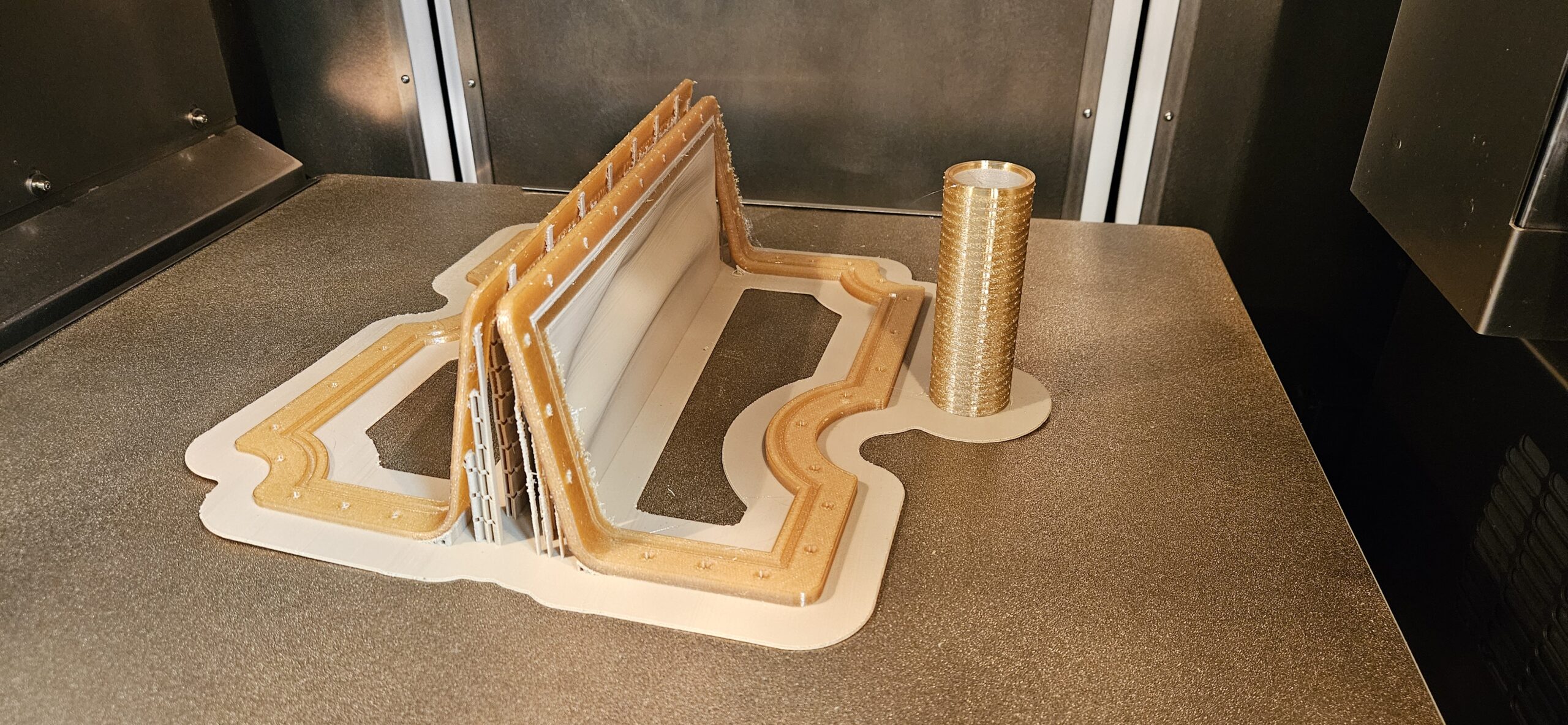
Jigs and fixtures for assembly, inspection, and alignment
Tooling and manufacturing aids exposed to moderate heat and load
Functional housings and enclosures with dimensional constraints
Mechanical prototypes for validation and testing
These materials allow engineering teams to produce usable parts quickly while maintaining consistency and control across iterative design and validation cycles.
Printer–Material Interaction Is Critical
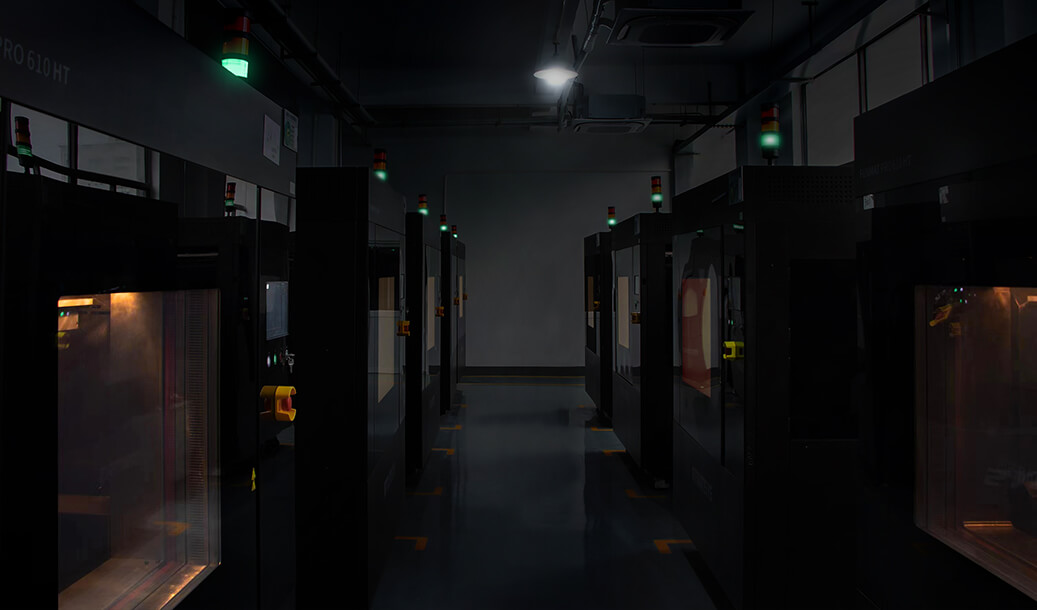
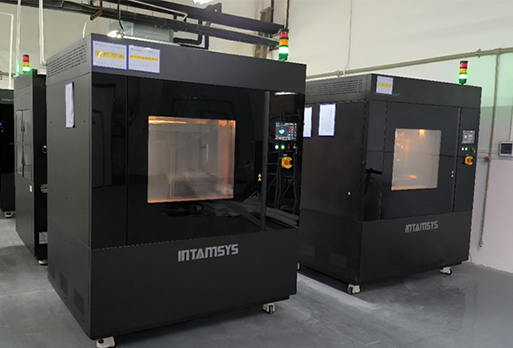
Engineering materials require proper system conditions to perform as intended. Industrial printers with enclosed build volumes and controlled thermal environments significantly improve part quality and repeatability.
Key interactions include:
Heated chambers to reduce warping and internal stress
Stable build surfaces for consistent first-layer adhesion
Controlled cooling to maintain dimensional accuracy
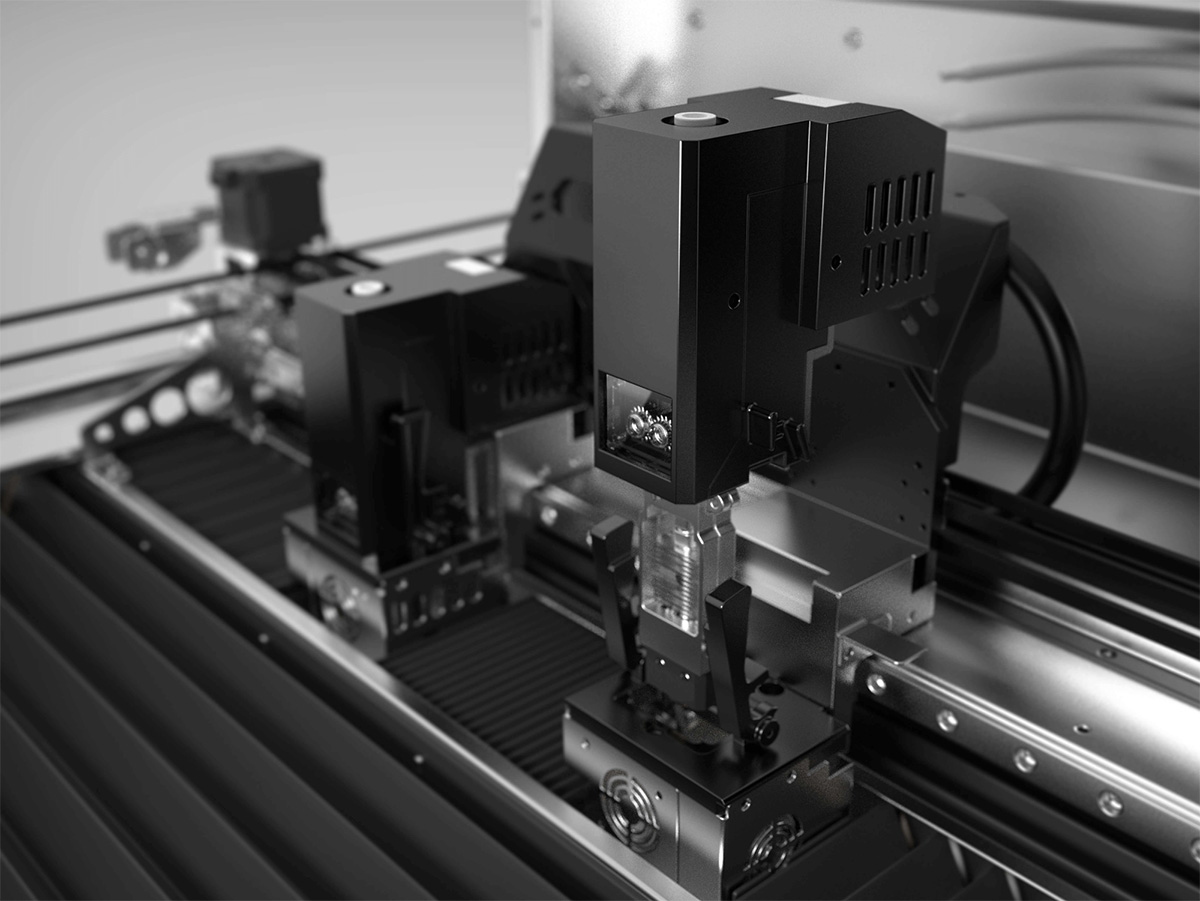
Predictable extrusion behavior during long print cycles
AlphaAMT helps you ensure materials are paired with the correct printer configuration and process strategy.
Consistent Industrial Material Quality
INTAMSYS manufactures its INTAM™ filaments under controlled industrial standards, with close attention to raw material sourcing and filament consistency. This consistency helps reduce print variability and supports stable mechanical and dimensional performance.
For engineering teams, consistent material quality helps:
Reduce print-to-print variation
Improve repeatability across shifts and operators
Minimize rework caused by inconsistent extrusion or adhesion
INTAM™ filaments are commonly used as validated baselines within industrial workflows.
Pre-Configured Profiles for Faster Setup
Some engineering filaments are supplied with pre-configured print profiles within compatible slicing software. These profiles define baseline extrusion, chamber, and speed parameters, allowing teams to begin printing with minimal setup.
This is useful when:
Setup time needs to be minimized
Processes must remain consistent across teams
A stable starting point is required before optimization
These profiles are intended as starting references and are easily customizable. AlphaAMT can support your team with further tuning based on part geometry and performance requirements.
Validated and Open Material Strategies
Engineering teams rarely rely on a single material source. Our 3D printing for industrial applications, 3D intamsys printer, and other printers support both validated materials and open material qualification, allowing flexibility without sacrificing reliability.
Validated materials offer known behavior and established parameters
Open materials allow teams to meet internal standards, regulatory needs, or supply-chain constraints
Open-material workflows can be recommended and selected through a structured qualification process by our expert team.
Common Engineering Material Families
Engineering materials commonly used in industrial workflows include:
Polycarbonate (PC) and PC blends
ABS and ABS-based variants
ASA for improved environmental resistance
PC-ABS for balanced strength and toughness
Nylon-based materials, including fiber-reinforced options
Each material family introduces specific processing considerations that AlphaAMT helps evaluate in context.
Support Materials and Process Completion
Support materials play a critical role in engineering workflows, particularly for complex geometries and internal features.
Proper support selection affects:
Surface finish
Dimensional accuracy
Post-processing time
Overall print success rate
We also assist with selecting breakaway or soluble supports that align with both the model material and application intent.
Material Selection with Engineering Context
Selecting an engineering material requires understanding how material behavior, printer capability, and part design interact with each other.
AlphaAMT supports customers by:
Evaluating functional and environmental requirements
Matching materials to printer capabilities
Defining stable, repeatable print processes
Supporting transition from prototyping to regular use
This ensures engineering materials perform reliably beyond initial test prints.
Explore Engineering Materials
Below, you can explore engineering materials by type, compare characteristics, and review compatibility with FUNMAT industrial systems. Each listing can be evaluated with AlphaAMT’s application engineering support.