

Materials
Materials for Industrial Additive Manufacturing
In industrial additive manufacturing, material selection defines performance, reliability, and long-term viability far more than the printer alone. Material-driven results include mechanical strength, thermal resistance, chemical compatibility, dimensional stability and repeatability, which should align with the system capability and intent of application.
AlphaAMT approaches materials as part of an integrated manufacturing system, not as interchangeable consumables. Our role is to help engineering teams select, qualify, and deploy materials that work predictably within their operating environment across R&D, tooling, and production workflows.
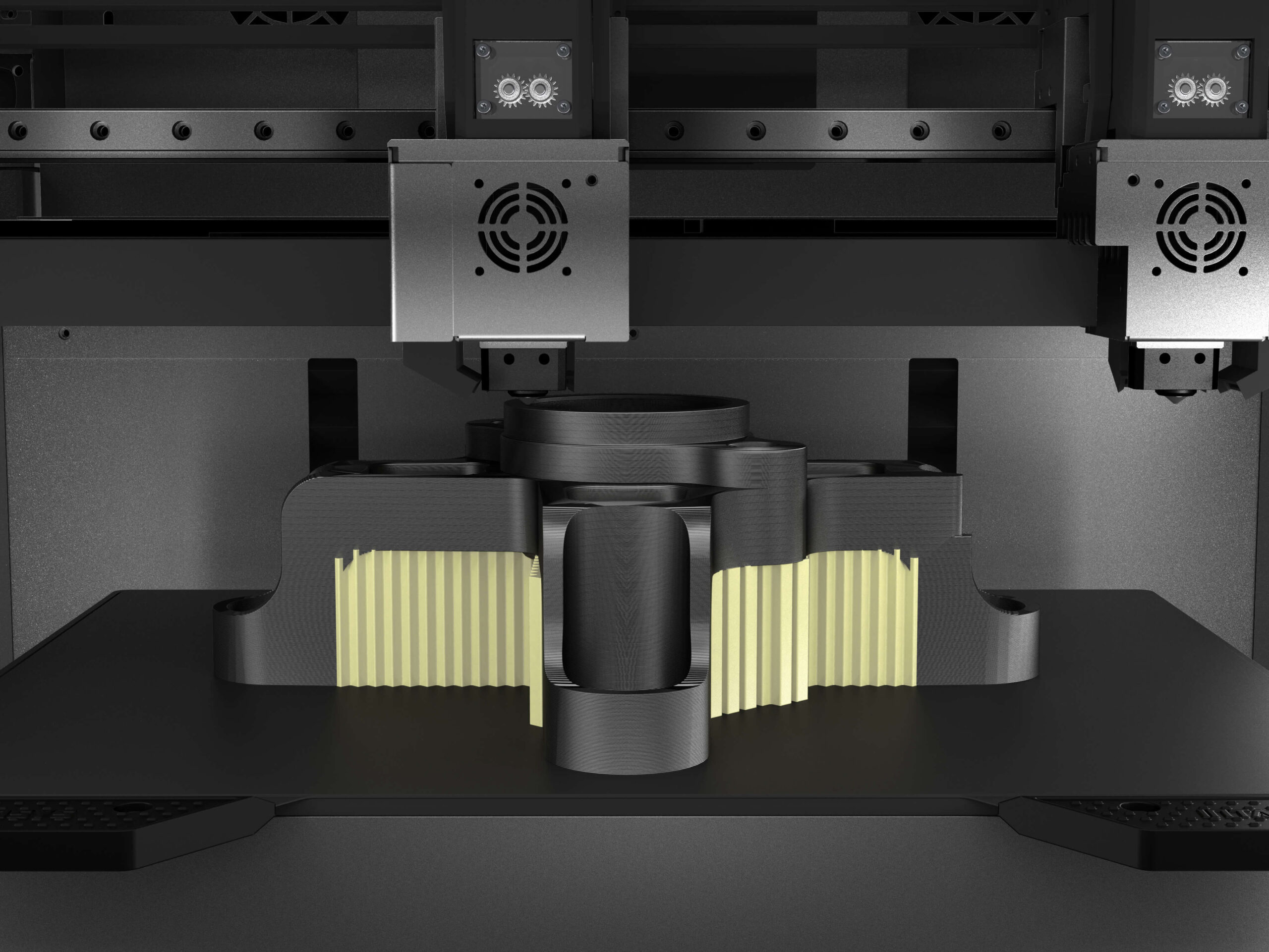
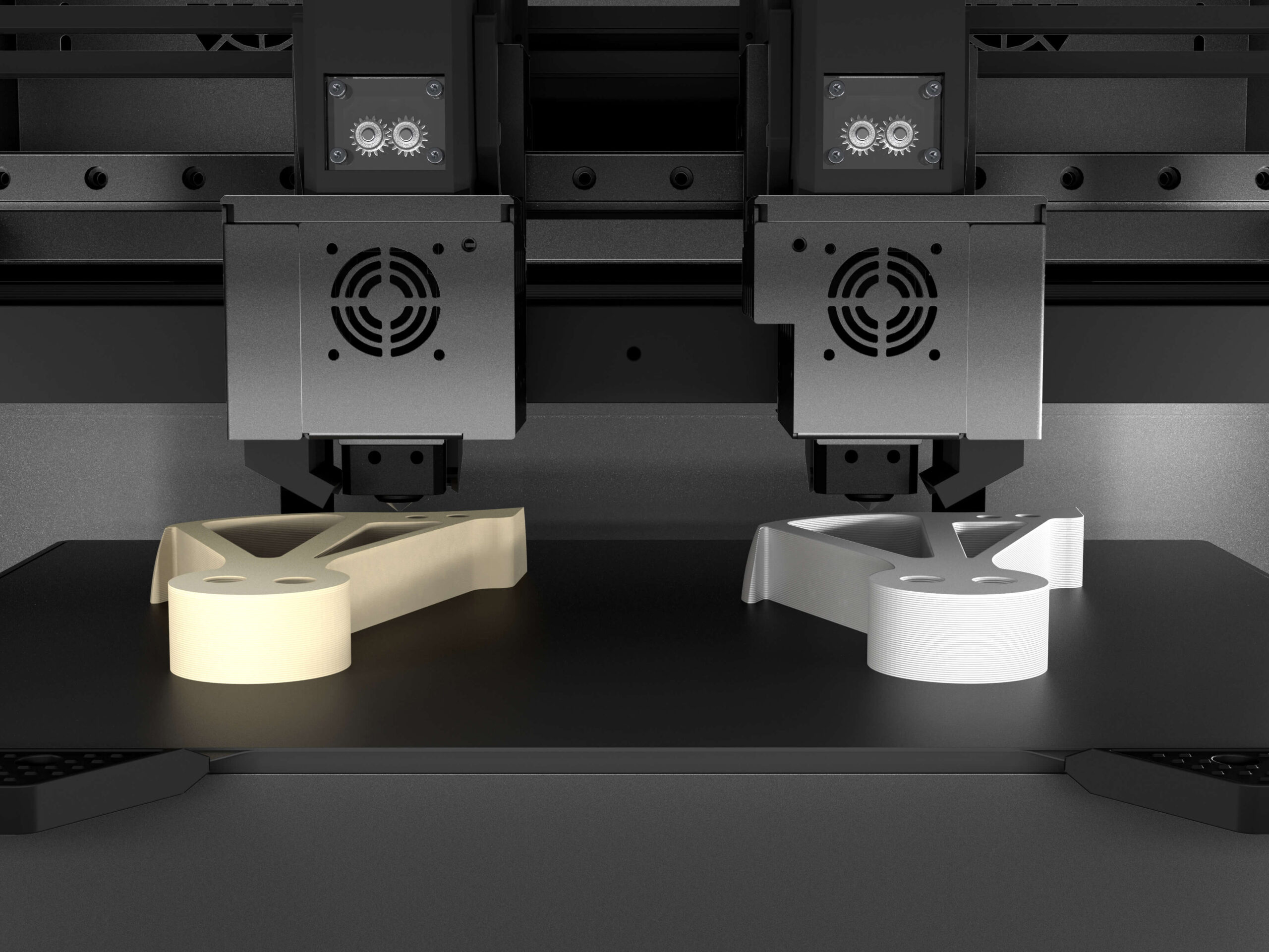
Consistent Industrial Material Quality
INTAMSYS manufactures its filaments under controlled industrial standards, with close attention to raw material quality and filament consistency. This reduces variability during printing and supports predictable dimensional accuracy and surface quality.
For engineering teams, consistent material quality helps:
- Reduce print variability
- Minimize rework caused by material inconsistency
- Improve repeatability across builds and operators
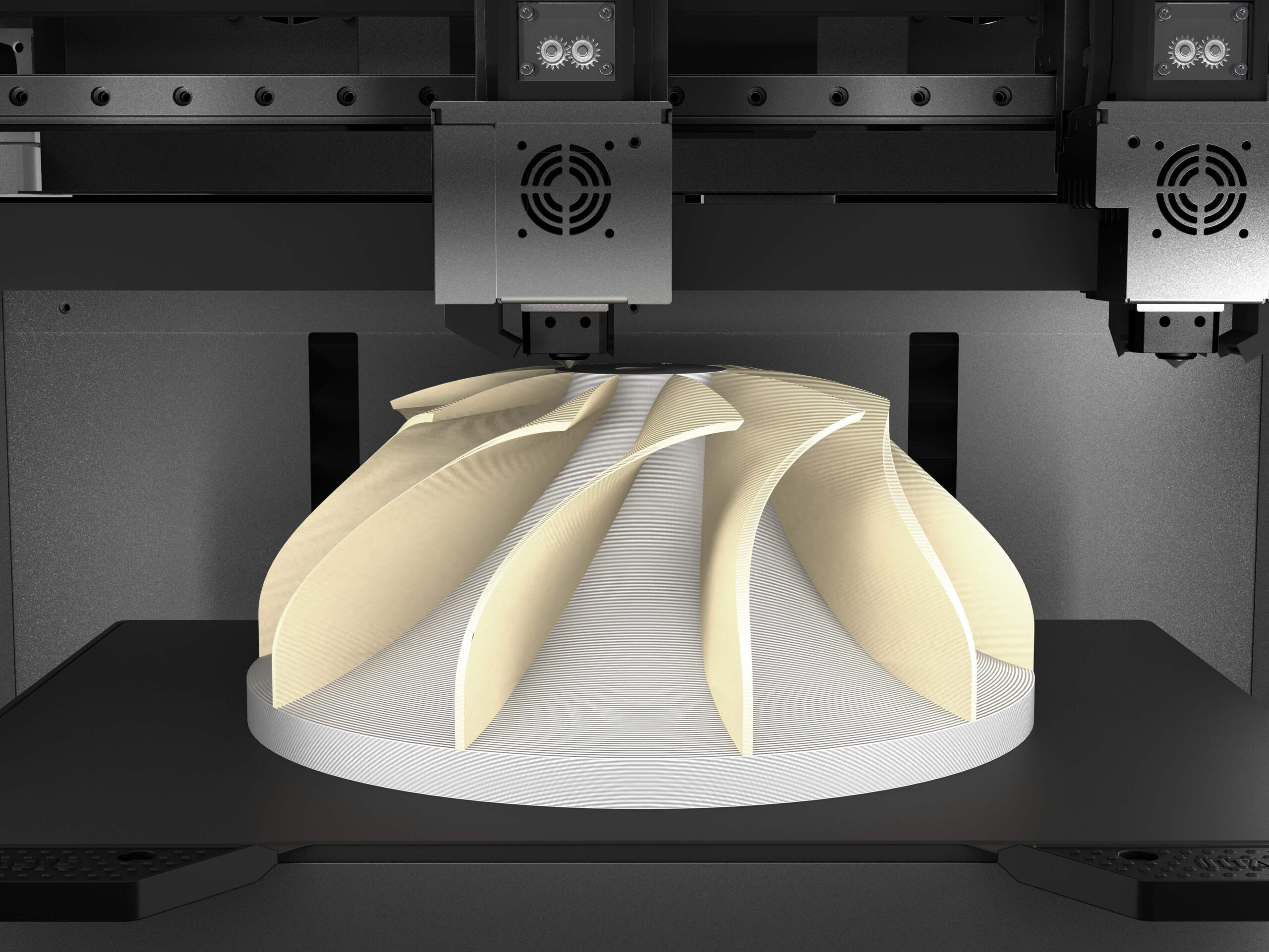
Pre-Configured Print Profiles for Faster Setup
Some industrial filaments are supplied with pre-configured print settings within compatible slicing software. These profiles define baseline extrusion, chamber, and speed parameters, allowing teams to start high precision 3D printing without extensive manual setup.
This approach is useful when:
- Setup time needs to be minimized
- Processes must remain consistent across teams or shifts
- A stable starting point is required before application-specific tuning
These profiles are intended as validated starting points and can be adjusted and customized as needed for specific parts or performance requirements.

Validated and Open Material Options
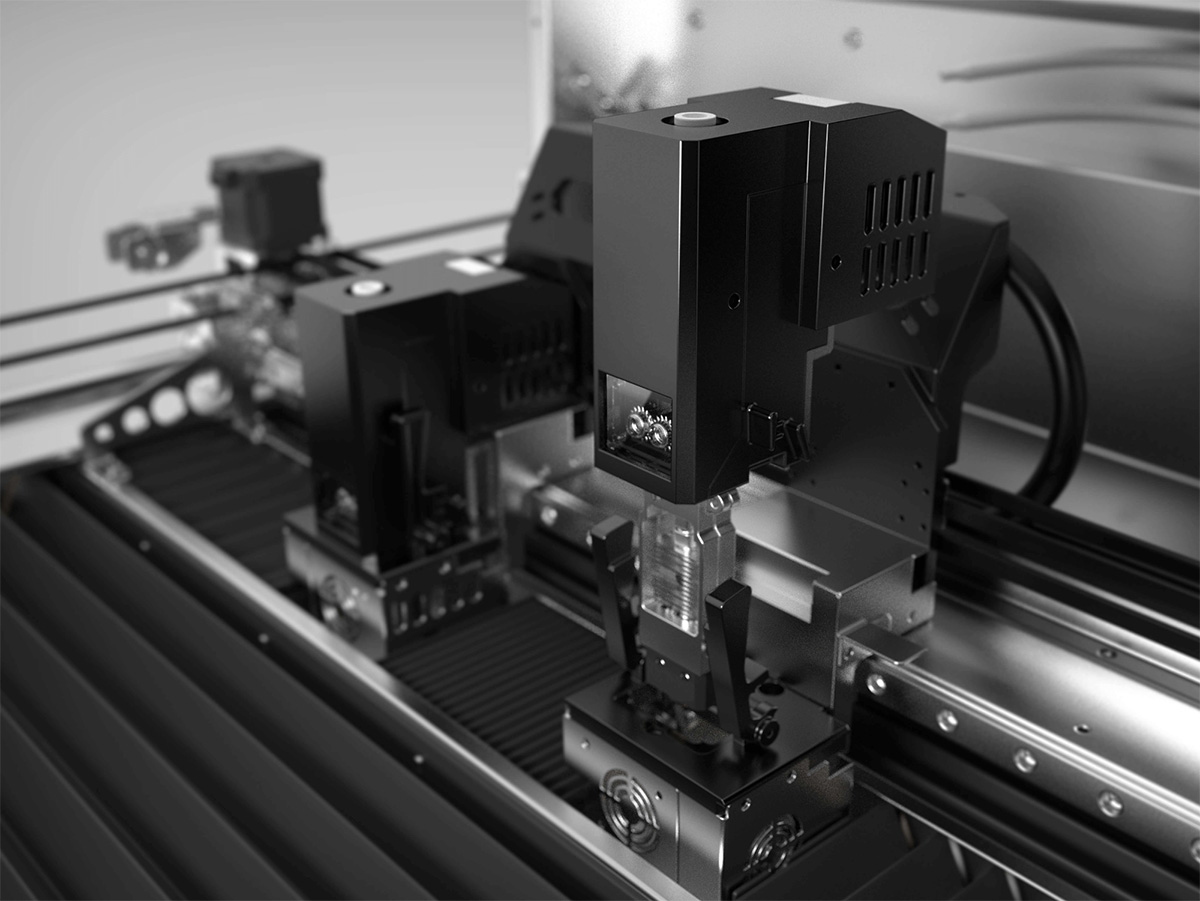
Industrial applications rarely rely on a single material strategy. Our 3D printers support both validated materials and open material qualification, allowing material choice to align with application needs rather than fixed ecosystems.
- Validated materials provide known behavior and established parameters for predictable results
- Open materials allow flexibility for performance, compliance, or supply-chain requirements when properly qualified
This balanced approach enables teams to maintain reliability while adapting material strategy as applications evolve.
Core Material Categories
AlphaAMT supplies materials across three primary industrial categories. Each category carries different processing requirements and system considerations.
Engineering Plastics
Engineering plastics are commonly used for functional prototyping, fixtures, housings, and validation parts where dimensional stability and mechanical reliability are required.
Typical characteristics include:
- Good strength-to-weight balance
- Moderate thermal resistance
- Improved stability over commodity plastics
Common engineering plastics encompass PC, ABS, ASA, PC-ABS, PA-based materials and flame retardancy. While easier to process than high-performance polymers, these materials still benefit significantly from enclosed, temperature-controlled systems.
High-Performance Polymers
High-performance polymers are used when there is high temperature, aggressive chemicals, mechanical stress or any regulatory condition.
These materials require:
- Stable chamber temperatures
- High-temperature extrusion capability
- Controlled cooling to prevent internal stress and warping
Materials in this category include PEEK, PEKK, PEI (1010 / 9085), PPS, PPSU, and related PAEK family variants. AlphaAMT works closely with customers using these materials for aerospace, automotive, industrial tooling, energy, and advanced manufacturing applications.
Composites and Reinforced Materials
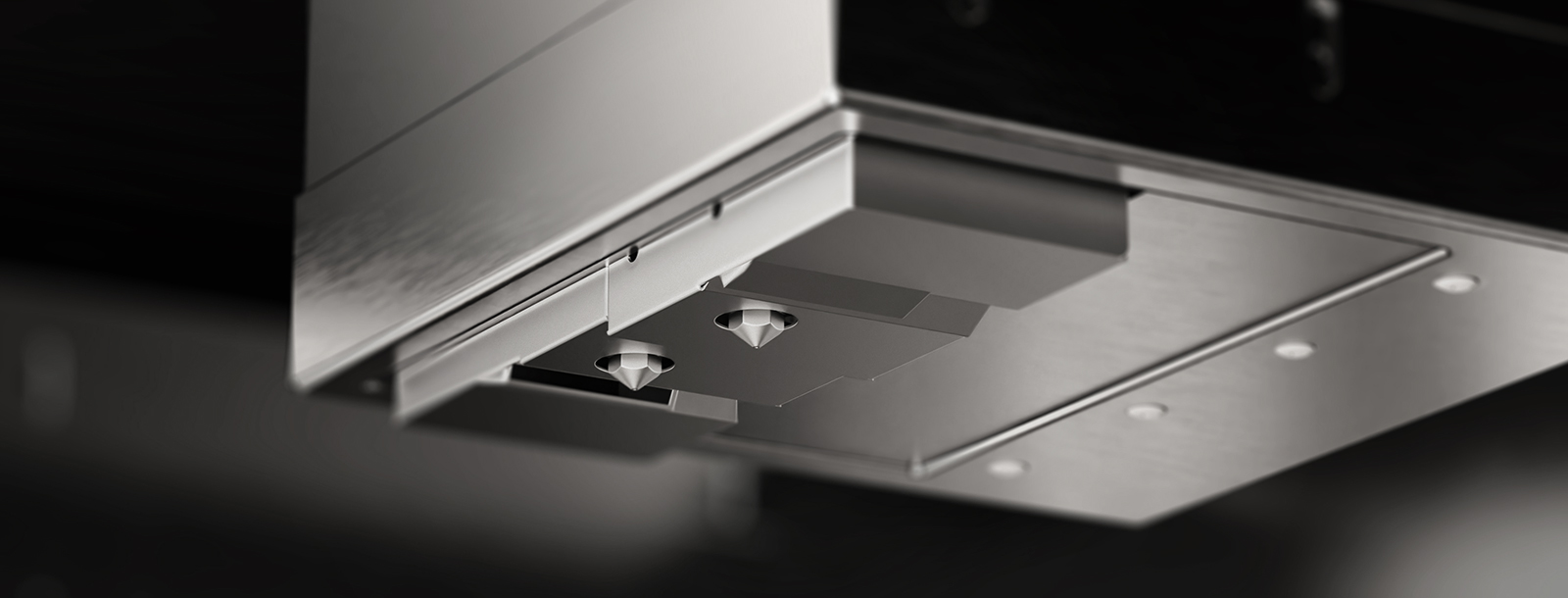
Composite filaments incorporate carbon fiber 3D printing or glass fiber to improve stiffness, reduce creep, and enhance thermal stability.
While composites can significantly improve part performance, they introduce additional considerations:
- Increased nozzle wear
- Directional strength behavior
- Modified surface finish and post-processing requirements
We can assist with correct material selection, hardware configuration, and process tuning to ensure composite materials deliver measurable benefits rather than unintended trade-offs.
Support Materials and Process Completeness
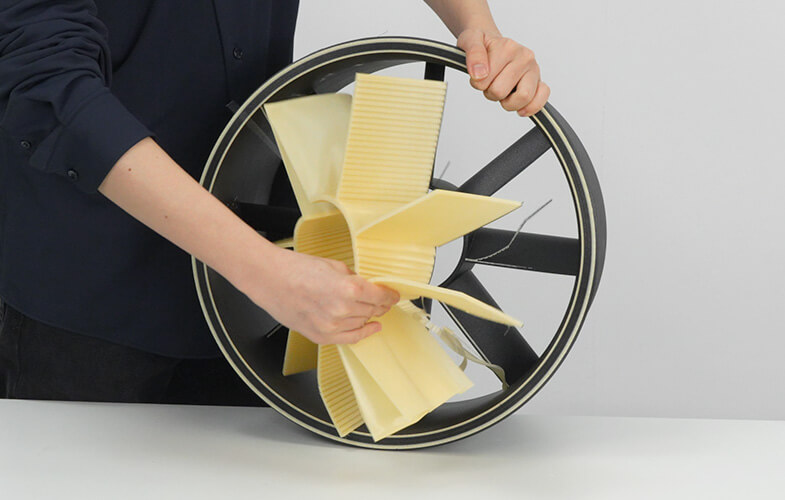
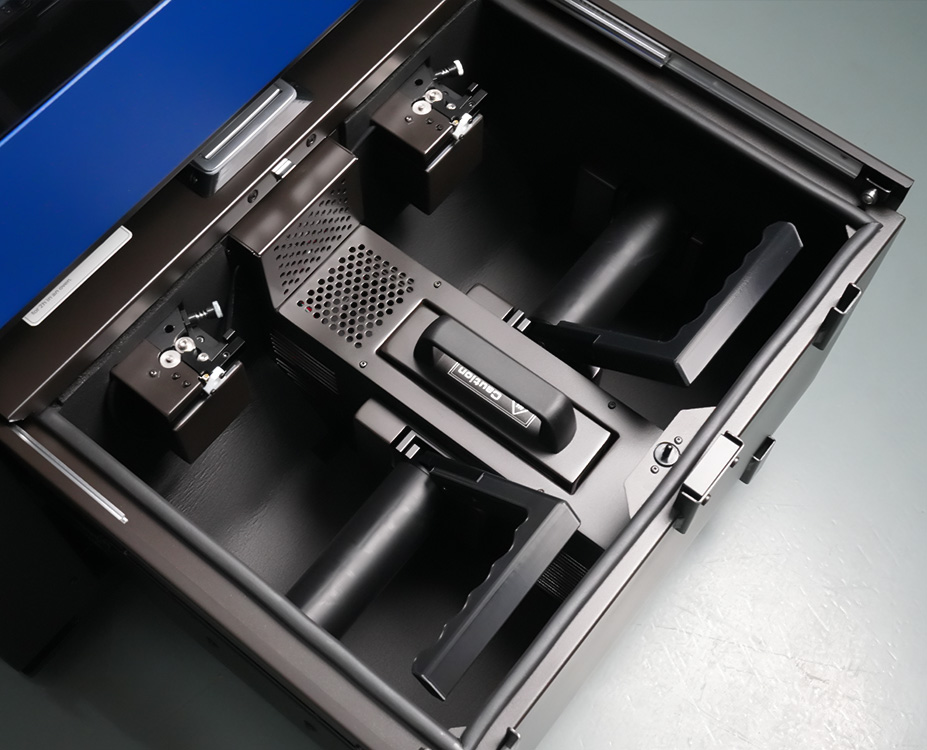
Support materials are a critical part of industrial workflows, particularly for complex geometries and high-temperature polymers. Proper support selection impacts:
- Surface finish
- Dimensional accuracy
- Post-processing effort
- Print success rate
AlphaAMT helps customers select appropriate breakaway or soluble supports that align with both model material and application requirements.
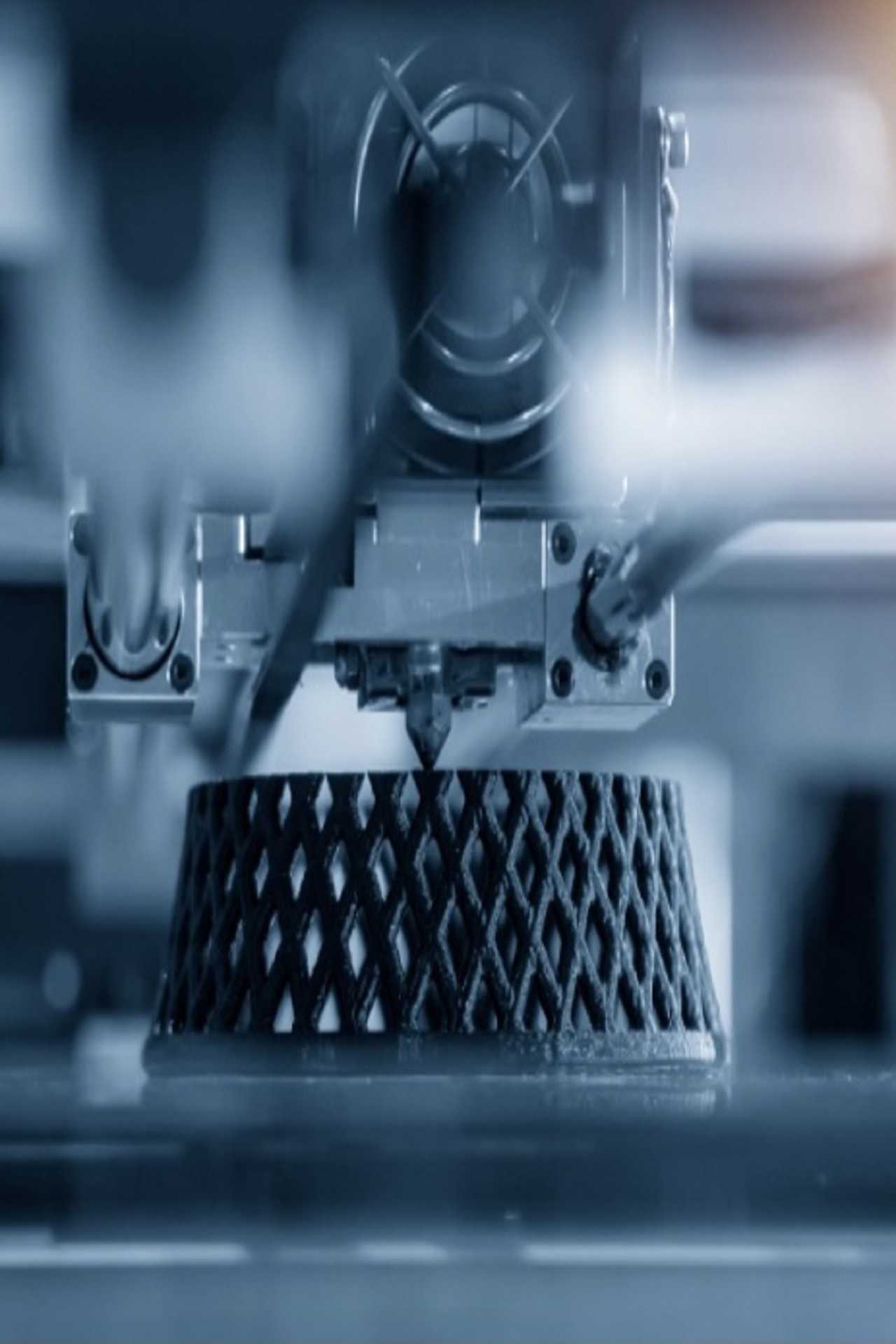
Material Qualification and Application Engineering
Our material expertise extends beyond material availability. We support customers through:
- Material suitability assessment
- Process window definition
- Build surface and chamber optimization
- Transition from prototyping to production
- Long-term material and process stability
This ensures materials perform consistently, not just in isolated prints, but across repeated builds and real operating conditions.
Explore Materials by Category
Below, you can explore the full range of supported materials, filter by category, and access detailed information for each option. Each material listing reflects compatibility with FUNMAT systems and can be evaluated with AlphaAMT’s application engineering support.